

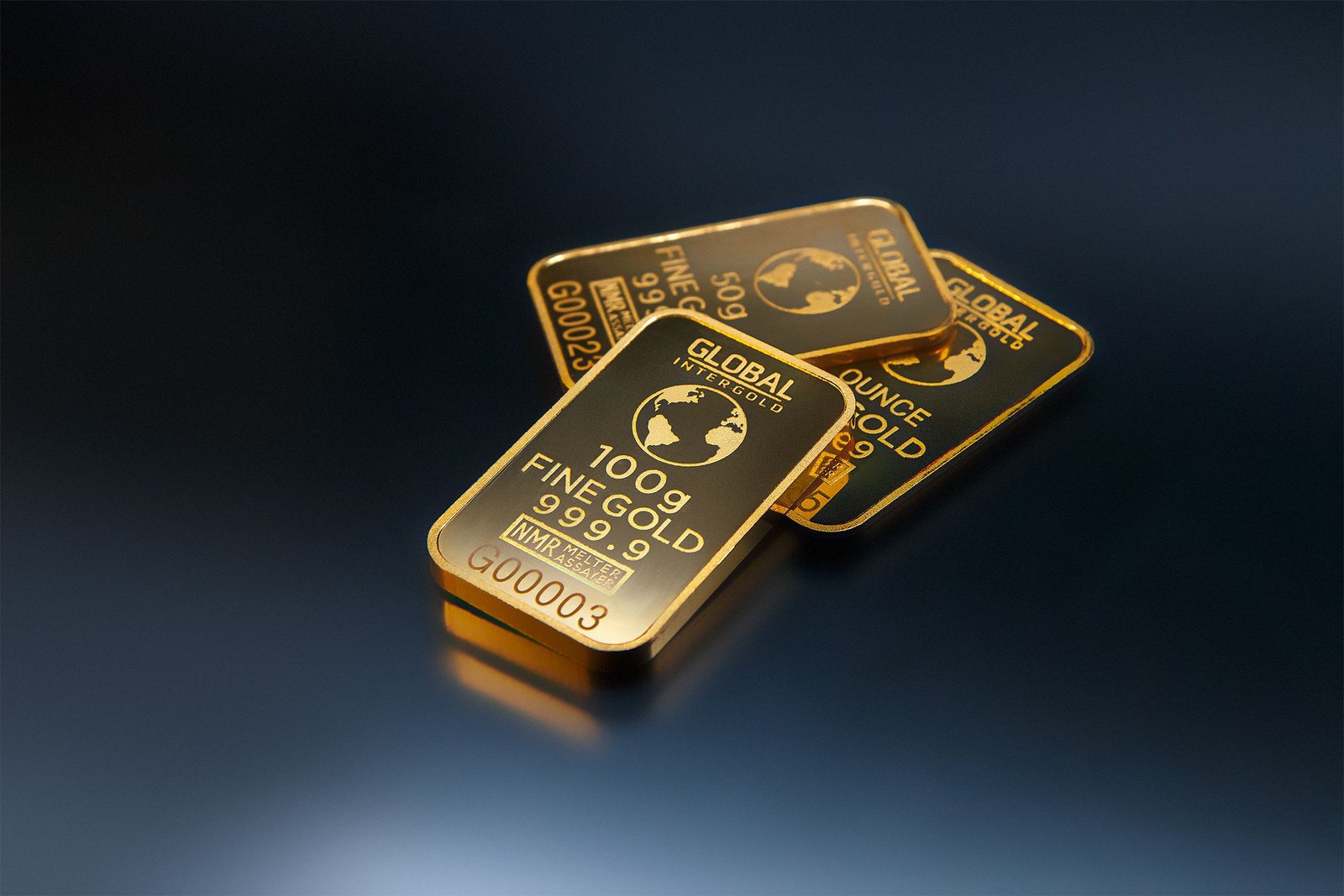
Gold has done something in 2026 that even seasoned investors weren’t fully prepared for. The metal that your grandmother kept in a drawer “just in case” has spent the year smashing through records that stood for nearly half a century — and the reasons behind the surge say a lot about how uneasy the world currently feels about everything else.
Just How High Has Gold Gone?
In January 2026, gold surged to an unprecedented peak of roughly $5,595 an ounce before pulling back around 10% from that high. Even after the retreat, prices are sitting near double where they stood a year earlier. More strikingly, the metal has now cleared its inflation-adjusted record from 1980 — a level that had stood, unbeaten, for well over four decades. When a market breaks a 45-year-old benchmark, it tends to get everyone’s attention, from central bankers to the person eyeing a gold chain in a pawn shop window.
Why Gold Is Suddenly Everyone’s Safe Haven
Gold doesn’t rally for one reason — it rallies when several pressures hit at once, and 2026 has delivered nearly all of them together.
1. Demand Has Genuinely Exploded
According to the World Gold Council, total worldwide gold demand crossed 5,000 tonnes in 2025 for the first time on record — a haul worth an unprecedented $555 billion, up 45% on the year before. That is not a niche investor trend; that is a global stampede toward a single asset.
2. Geopolitical Nerves Are Fraying
The ongoing war in Ukraine, continued tension across the Middle East, and political instability out of Washington have all pushed investors toward assets that don’t depend on any single government staying stable. Gold has no counterparty risk — it doesn’t default, it doesn’t need a functioning parliament to retain its value. In an uncertain year, that’s a powerful selling point.
3. A Weaker Dollar and Tariff Jitters
Renewed tariff threats and trade rhetoric out of the United States have rattled currency markets, and analysts describe what’s happening among central banks as a “historic pivot” — a broad move to reduce exposure to U.S. dollar assets in favour of physical bullion.
4. Central Banks Are Stockpiling
Nations wary of potential sanctions or having their dollar assets frozen have been quietly building up gold reserves, while others, such as Poland, have kept buying for more traditional diversification reasons. Either way, central banks have become some of the biggest buyers in the market.
5. Retail and ETF Money Piling In
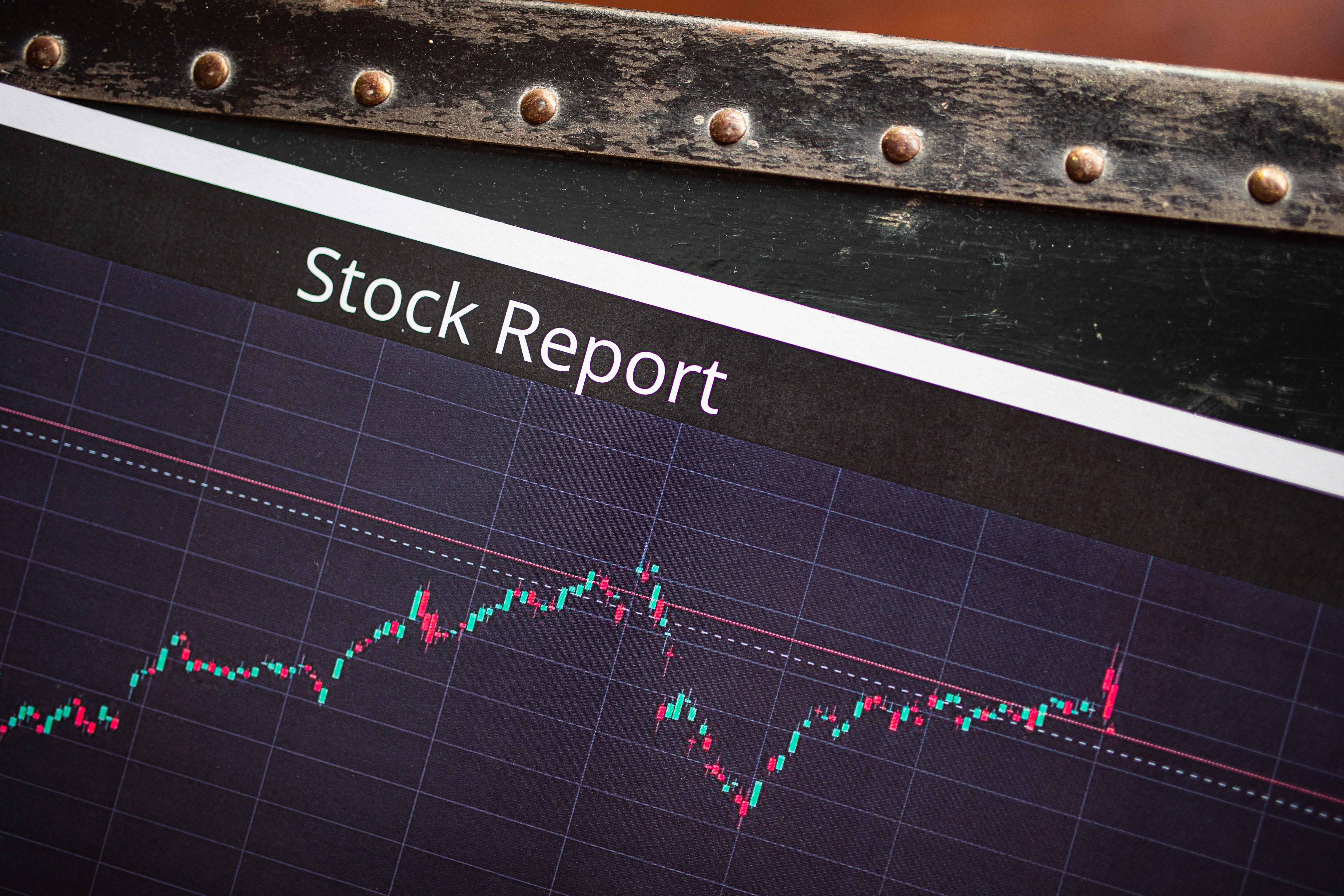
It isn’t just governments and institutions. Record exchange-traded fund inflows and a wave of retail buying — some of it clearly headline-chasing — have amplified every move in the price. Even cryptocurrency firms have joined in; stablecoin issuer Tether, for example, has built up sizeable bullion reserves of its own, a sign of how far gold’s appeal has spread beyond traditional investors.
6. Simple Scarcity
Unlike currencies, which governments can print more of, gold’s supply is genuinely finite and mining new supply takes years, not months. During a period of heavy government spending and rising debt loads worldwide, that structural scarcity becomes a much bigger selling point.
Gold doesn’t rise because people suddenly love gold. It rises because people trust everything else a little less than they did before.
What This Means for Ordinary Savers
It’s tempting to look at a record-breaking chart and want in immediately, but a few grounded points are worth keeping in mind:
- Gold has already pulled back roughly 10% from its January peak — these markets can move sharply in both directions.
- Buying at an all-time high carries real risk; prices that have already doubled year-on-year don’t necessarily keep doubling.
- Gold pays no dividend or interest — its value depends entirely on someone else being willing to pay more for it later.
- Diversification, not an all-in bet, is generally how professional investors treat gold — typically as one piece of a wider portfolio rather than the whole thing.
This article is intended to explain what’s driving the market, not to tell you what to do with your own money — for that, a licensed financial adviser who knows your full situation is always the better call than a headline.
Where Does Gold Go From Here?
Nobody can say for certain, and anyone who tells you they can is selling something. What’s clear is that the conditions behind this rally — geopolitical tension, central bank buying, a wobbling dollar, and genuine structural scarcity — haven’t disappeared. Until the world feels a little more settled, gold looks set to remain exactly what it has been for thousands of years: the asset people reach for when they’re not sure what else to trust.
Why is the price of gold rising in 2026?
Gold is rising because several pressures are hitting at once: record global demand, geopolitical tension, a weaker US dollar, heavy central bank buying, strong ETF and retail inflows, and limited supply. Together they have pushed investors toward gold as a safe haven.
How high has the gold price gone in 2026?
In January 2026, gold hit a record peak of roughly $5,595 an ounce before pulling back around 10%. Even after that drop, prices are close to double where they stood a year earlier, and gold has cleared its inflation-adjusted record from 1980.
Why are central banks buying so much gold?
Some countries want to reduce their exposure to US dollar assets and protect themselves from possible sanctions or frozen assets, while others buy gold for traditional diversification. Either way, central banks have become some of the biggest buyers in the market.
Is gold a safe haven during uncertain times?
Gold is widely seen as a safe haven because it has no counterparty risk. It cannot default and does not depend on any single government staying stable. That is why investors tend to turn to it when they trust other assets less.
Should I buy gold at a record high?
Buying at an all-time high carries real risk, since gold has already pulled back about 10% from its January peak and pays no dividend or interest. Professional investors usually treat gold as one part of a diversified portfolio. For advice on your own money, speak to a licensed financial adviser.




Leave a Reply