

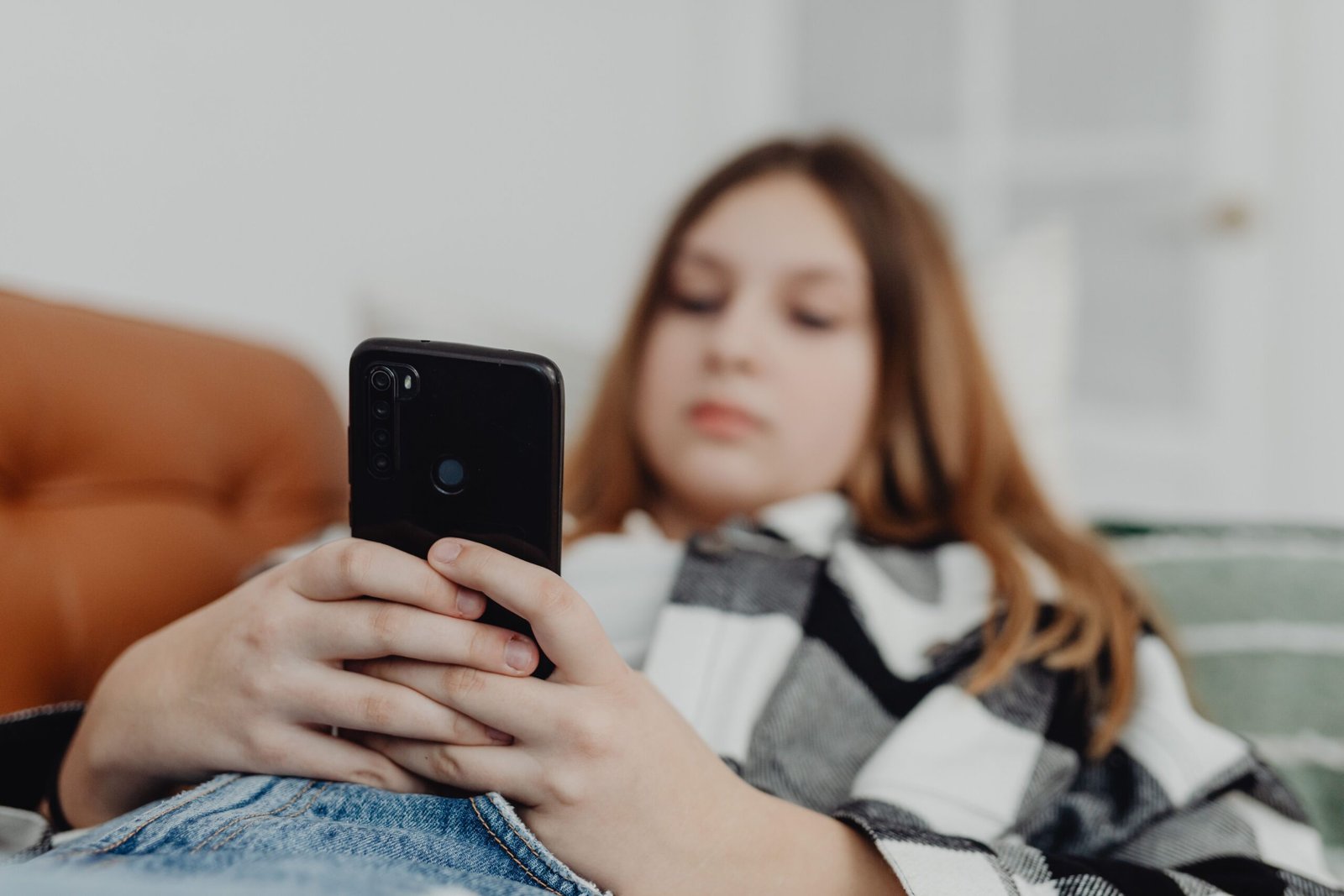
There’s a quiet irony in the fact that “digital detox” is trending online. People are using the same phones they’re trying to escape to search for ways to use those phones less. But underneath the irony is a genuine shift happening in 2026: after more than a decade of being told to optimise, track, and stay constantly connected, a growing number of people are choosing the opposite — and building an entire wellness movement around doing less with their screens, not more.
From “Extreme Detox” to Everyday Habit
A few years ago, a digital detox usually meant something dramatic: a week at a retreat with your phone confiscated at the front desk, or a defiant “I’m deleting all my apps” post before promptly reinstalling them a month later. What’s different about the 2026 version of this trend is how ordinary it has become. Instead of extreme, short-lived resets, the focus has shifted to small, repeatable boundaries that fit into a normal week — what wellness writers are increasingly calling “strategic digital boundaries.”
That might mean a phone-free kitchen table, a charging station that lives outside the bedroom, or simply a rule about not opening email before coffee. None of it requires a retreat in the mountains. It just requires deciding, on purpose, when technology gets a say in your attention and when it doesn’t.
Sleep Has Become the New Status Symbol
If the last decade of wellness culture was obsessed with productivity, this year’s version is obsessed with rest — and screens are treated as rest’s biggest enemy. “Sleep sanctuaries” are having a moment: bedrooms redesigned specifically around better rest, with circadian-friendly lighting that dims and warms in the evening, screens banished well before bedtime, and simple sleep hygiene practices treated as seriously as a gym routine used to be.
Alongside it, “slow evenings” have become a recognisable ritual: screen-free wind-downs built around small, deliberate comforts — a warm magnesium bath, a cup of herbal tea, a book instead of a feed. It sounds almost old-fashioned, and that’s rather the point. After years of evenings spent scrolling, doing nothing in particular on purpose has started to feel like a genuine luxury.
Rest has shifted from optional to foundational. It’s no longer something you fit in around everything else — for a lot of people, it’s become the thing everything else has to fit around.
Travel Is Getting in on the Trend Too
The hospitality industry has noticed. “Digital-disconnect” travel packages — trips explicitly marketed around unplugging, sometimes with phones locked away entirely for the duration of the stay — are showing up at hotels and retreats that would never have offered them a few years ago. It’s a striking reversal from the era when hotels bragged about their Wi-Fi speed. Now, some are bragging about the lack of it.

Emotional Fitness: Getting Ahead of Burnout
The other major thread running through this year’s wellness trends is a more proactive approach to emotional wellbeing generally — things like breathwork, somatic practices, and nervous-system regulation techniques that used to live on the fringes of wellness culture and are now firmly in the mainstream conversation. The underlying idea is straightforward: dealing with stress after it builds up is harder than building small daily habits that keep it from piling up in the first place, and constant screen stimulation is widely seen as one of the biggest contributors to that buildup.
None of this is about rejecting technology altogether — that ship sailed a long time ago, and nobody seriously expects it to turn around. It’s about drawing a clearer line between technology that serves you and technology that just consumes your time, and getting more comfortable saying no to the second kind.
Five Small Habits Driving the Trend
If you want to try this out without booking a retreat or throwing your phone in a drawer, the trend itself points to a few low-effort starting points:
- Create one phone-free space — the dinner table, the bedroom, or the car are common starting points.
- Set a hard stop in the evening — even 30 screen-free minutes before bed can noticeably improve how quickly you fall asleep.
- Swap one scroll session for one walk — outdoor, phone-free time is consistently one of the most recommended resets.
- Batch your notifications — checking messages at set times instead of constantly cuts down on the low-grade anxiety of always being “on.”
- Make mornings screen-free for the first 15 minutes — giving your brain a moment to wake up before it’s flooded with other people’s updates.
Why This Trend Has Staying Power
Wellness trends come and go, but this one is built on something more durable than a fad: a genuinely widespread feeling that constant connectivity has quietly cost people more than it’s given back. The 2026 version of digital wellness isn’t about guilt or extreme rules — it favours sustainable, realistic habits over rigid protocols, which is likely why it’s spreading further than the more extreme detox movements that came before it.
You don’t need to disappear off-grid to take part. Sometimes it’s as simple as leaving your phone in another room for an hour and noticing, honestly, how strange that feels — and how much better it feels once the strangeness wears off.
What is a digital detox?
A digital detox is a conscious break from screens and constant connectivity. In 2026 it no longer means an extreme retreat with your phone confiscated. It usually means small, repeatable boundaries, like a phone-free dinner table or no email before breakfast.
Why is the digital detox trend so popular in 2026?
After more than a decade of being told to stay constantly connected, many people feel that constant connectivity has cost them more than it has given back. The trend has grown because it favours realistic, sustainable habits over guilt or extreme rules, which makes it easy to stick with.
How do I start a digital detox without quitting my phone?
Start small. Create one phone-free space, such as the dinner table or bedroom, set a screen-free hard stop in the evening, swap one scroll session for a walk, batch your notifications, and keep the first 15 minutes of your morning screen-free. You do not need a retreat or any drastic steps.
How does a digital detox help with sleep?
Screens are widely seen as one of the biggest enemies of good rest. Even 30 screen-free minutes before bed can noticeably improve how quickly you fall asleep. Many people also build screen-free wind-down routines, like a warm bath, herbal tea or a book, along with bedroom lighting that dims in the evening.
Do I have to give up technology completely to do a digital detox?
No. The trend is not about rejecting technology altogether. It is about drawing a clearer line between technology that serves you and technology that just consumes your time, and getting more comfortable saying no to the second kind.




Leave a Reply